 YOUDA COMPOSITE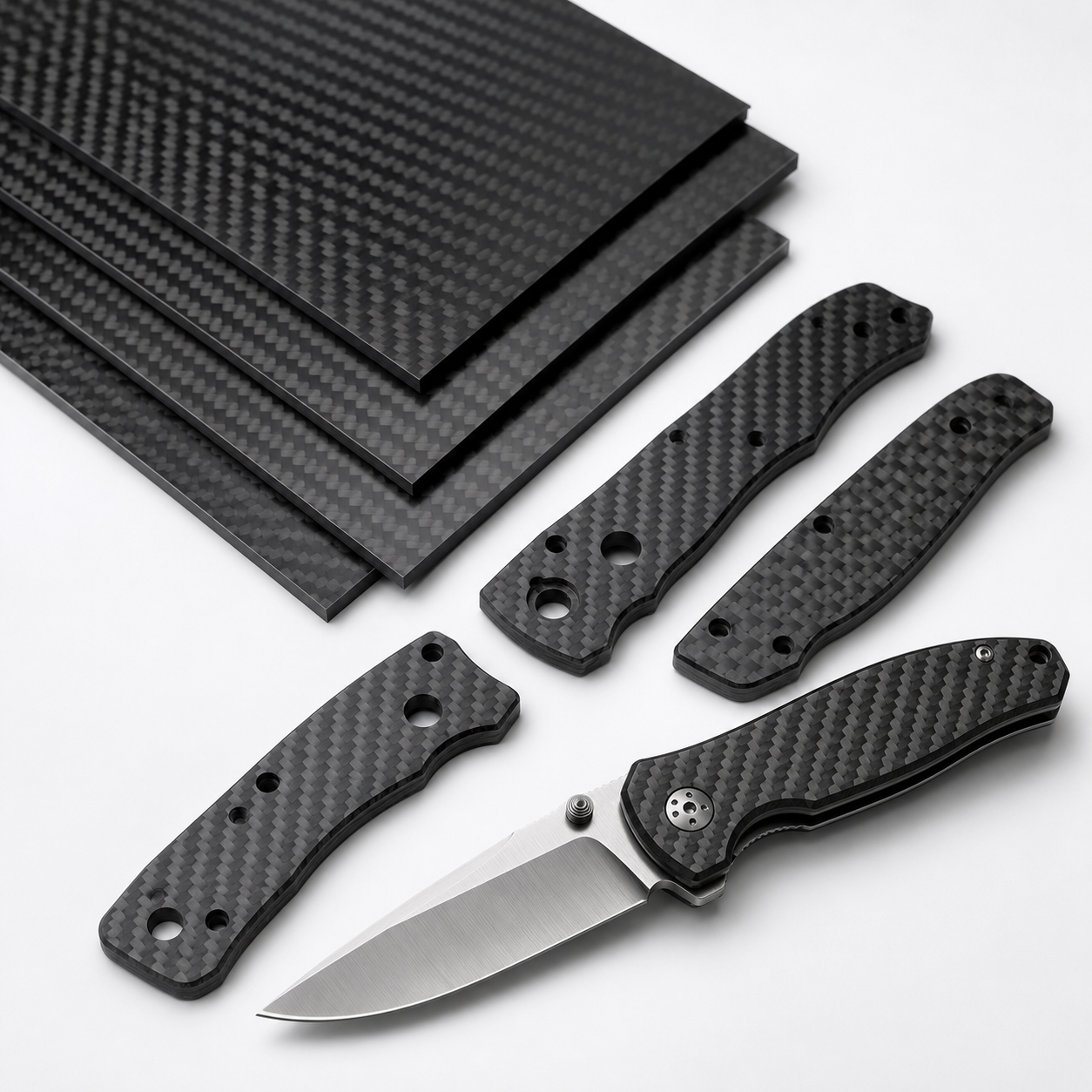
Wondering how to cut, drill and finish knife handle scales for custom knives? Follow our beginner-friendly guide to process G10, micarta, wood scales safely, avoid cracking and messy polishing without professional tools.
You can cut, drill and finish knife handle scales with daily workshop tools through three simple, low-risk steps. First, trim raw scales to matched size with basic cutting tools, then drill mounting holes with slow-speed operation to prevent cracking, and finalize smoothing and surface finishing to boost grip comfort and durability. This guide skips complicated skills, fits all knife makers from amateurs to crafters, and adapts to nearly all common handle scale materials.
- Related Material Definition
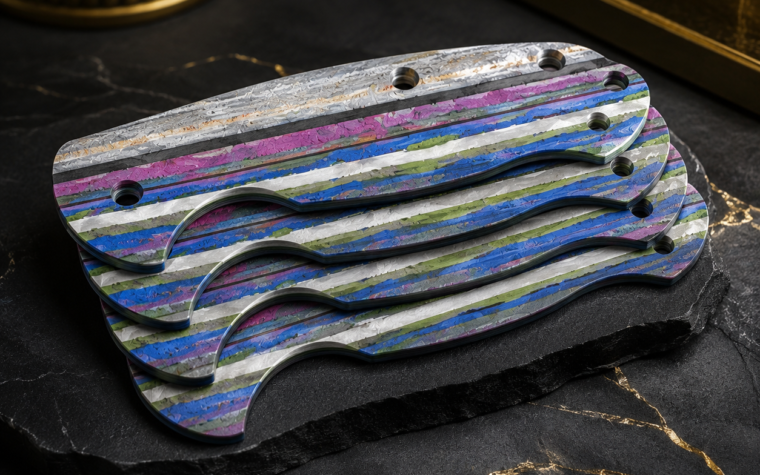
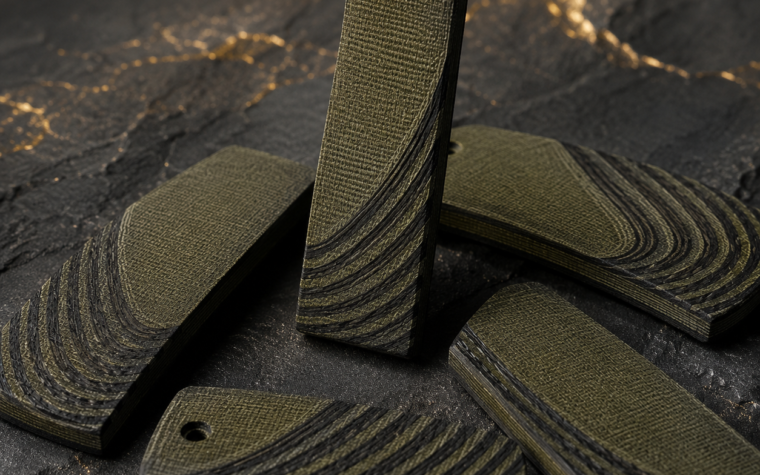
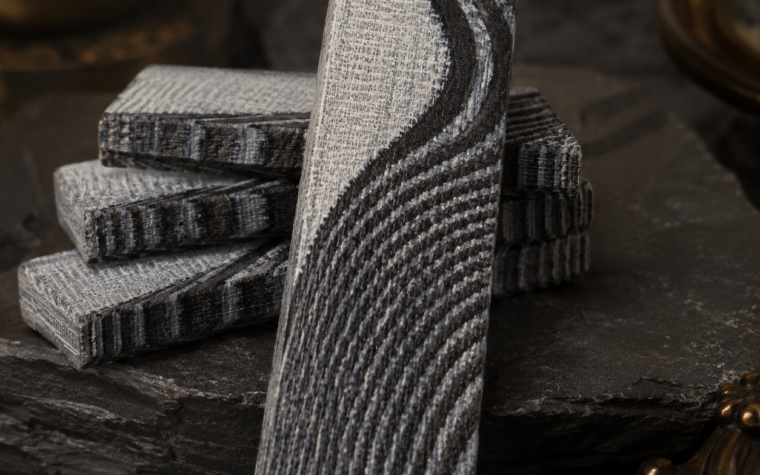
Processable knife handle scales refer to semi-finished blank scale materials used for custom knife assembly, excluding polished and pre-shaped finished handles. These blank scales include natural wood, G10, micarta, carbon fiber and colored resin materials. Different from pre-made handle parts, raw blank scales reserve extra margins on edges and hole positions, which leaves space for personalized cutting, drilling and surface finishing. All materials mentioned in this guide are mainstream seller-grade blanks, compatible with civilian handmade knife production, no industrial customized raw materials involved.
- Core Processing Performance
Good processable handle scales own three basic processing performances, deciding cutting and drilling difficulty. Firstly, uniform internal texture, without hidden cracks or hollow gaps, which avoids breaking during cutting. Secondly, moderate hardness, neither too soft to deform while cutting, nor overly hard to wear down daily drill bits quickly. Thirdly, stable heat resistance. Drilling and cutting will produce slight friction heat, qualified scales will not melt, deform or break under low and medium heat. Besides, high-quality scales have consistent surface density, so they can form smooth texture after simple finishing without rough burrs.
- Processing Advantages and Limitations
3.1 Advantages of DIY Processing Handle Scales
The biggest advantage of self-processing scales is high customization. Makers can adjust handle outline, radian and hole position to fit personal holding habits, instead of compromising on fixed-size finished handles. Secondly, blank scales have lower cost, which cuts overall knife-making budget greatly. Thirdly, manual cutting and finishing can retain unique texture of raw materials, especially wood and resin scales, bringing exclusive visual effects. In addition, whole processing steps need no professional industrial equipment, common household hand tools are totally enough.
3.2 Processing Limitations
Material defects will amplify during processing. Low-grade scales with internal cracks will split instantly while drilling. Different materials cannot share identical processing methods: high-speed drilling fits synthetic scales but damages natural wood. Moreover, manual polishing cannot reach ultra-smooth industrial-level effect. Crafters need to spend extra time on edge trimming. It is also worth noting that over-cutting will damage scale structure, and irreversible breakage cannot be repaired after excessive trimming.
- Practical Application Scenarios
The first scenario is daily custom knife building. Most hobbyists purchase blank handle scales and process shapes independently to match personalized knife tangs, widely used for pocket knives and camping utility knives. The second scenario is old knife renovation. Many vintage knives have worn, cracked handles; makers cut and drill new scales to replace old parts without changing original blade structure.
The third scenario is craft collection production. Crafters make exclusive texture finishing on resin and stabilized wood scales to produce collectible handmade knives. The last scenario is small-batch accessory production. Small knife workshops process universal scale blanks into versatile handle accessories to support matching various knife styles.
- Practical Processing Selection Suggestions
5.1 Material Selection By Operation Skill
For total beginners, pick micarta and common G10 scales. They feature stable texture, anti-crack and anti-deformation, tolerate improper operation, and allow repeated polishing. For makers with basic experience, choose stabilized wood scales, which need gentle cutting and low-speed drilling. Avoid raw natural wood for first-time processing, as it is easy to crack and deform.
5.2 Tool Matching Suggestions
Do not use high-speed cutting tools for all materials. Prepare ordinary cutting saws for outline trimming, straight-shank drill bits for hole drilling, and sandpaper with different roughness for finishing. Skip sharp polishing wheels at the initial stage, to prevent edge collapsing. If you pursue simple operation, directly buy pre-edged scale blanks, and only finish drilling and final polishing work.
5.3 Risk Avoidance Tips
Always process two handle scales together to keep symmetric size. Mark hole positions clearly before drilling, and reserve tiny edge margins for later finishing. Stop operating immediately once you feel obvious resistance while drilling, to prevent bit stuck and material splitting.
- Processing Specification Guidance
We sort out universal processing specifications without complicated technical data, suitable for all DIY makers. For cutting margin: reserve 2mm to 4mm extra edges on all blank scales, remove surplus parts in later finishing instead of one-time full cutting. For drilling speed: keep low-speed rotation for all wood and resin scales, medium speed for G10 and micarta, never run full speed continuously.
For finishing steps: start with coarse sandpaper to remove burrs, switch to fine sandpaper for smoothing, and add surface oil only for wood scales. For scale thickness limit: do not process scales thinner than 2mm, ultra-thin finished handles are prone to fracture after installation. All specifications adapt to civilian DIY production, no industrial transformation required.
- Frequently Asked Questions
Q1: Can I finish cutting, drilling and polishing with only hand tools?
A1: Absolutely yes. Nearly all basic processing work can be done with hand saws, manual drills and sandpaper. Electric tools only save operating time, and hand processing can better avoid excessive cutting and material damage, which is more friendly for beginners.
Q2: Why do handle scales crack right after drilling?
A2: Most cracks result from over-high drilling speed and deviated hole marking. Heat accumulation will split wood and resin scales, while tilted drilling will produce uneven stress and cause surface breakage. Cooling materials for dozens of seconds during drilling can greatly reduce cracking risks.
Q3: Do I need special surface coating after finishing?
A3: It depends on materials. Wood scales need maintenance oil to resist moisture and discoloration. G10 and micarta need no extra coating, simple polishing is enough. Resin scales only need surface cleaning, extra paint will damage original transparent texture.
Q4: Is it cheaper to process blank scales or buy finished scales?
A4: For long-term making, blank scales are more cost-effective. Finished scales add labor and processing fees. If you only make knives occasionally, pre-finished scales save time and avoid processing failure losses.