 YOUDA COMPOSITE
There is no single ‘2026 tariff on Chinese knife-handle composites.’ The duty paid depends on the product’s HTSUS classification, country of origin, construction, whether an additional tariff program covers that code, and the customs value. Buyers should calculate landed cost at the SKU level.
Key takeaway
The most defensible material decision connects performance, traceable composition, manufacturing yield and service life. Environmental and compliance claims should be grade-specific, dated and supported by current documentation.
Begin with the physical product
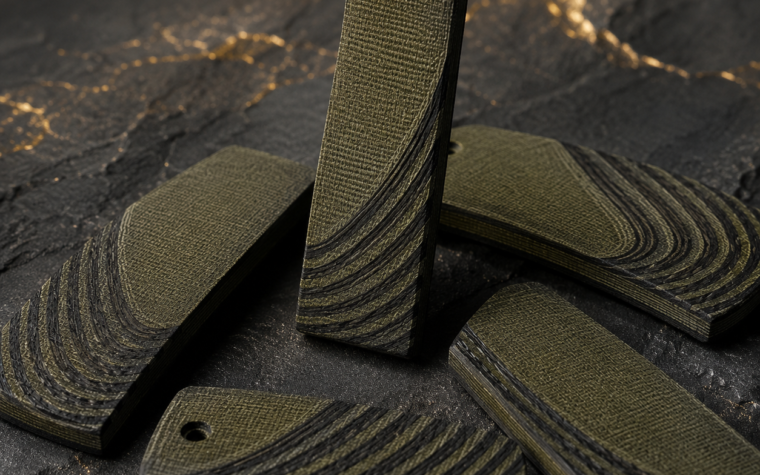
A finished handle scale, an unmachined laminate sheet and a carbon-fiber prepreg may classify differently. Resin type, reinforcement, shape, degree of processing and intended use can affect classification. Marketing names such as G10 or Micarta do not by themselves determine the tariff code.
Micarta® is a registered trademark. Customs documents for non-branded material should use an accurate generic description such as epoxy glass-fabric laminate or phenolic cotton-fabric laminate, together with dimensions and use.
Then check every duty layer
The landed calculation can include the ordinary customs duty, Section 301 additional duty if the HTS code is covered, other trade-remedy duties where applicable, merchandise processing fee, harbor fee for ocean entries, customs brokerage, freight, insurance and domestic delivery. Exclusions or temporary measures must be verified for the entry date.
Never copy a competitor’s duty rate without confirming that the classification and origin facts are the same. U.S. Customs and Border Protection makes the final determination, and a licensed customs broker or customs attorney can support uncertain cases.
Why the quoted sheet price is only one variable
A lower factory price can be offset by poor yield, variable thickness, damage, high minimum quantities or expensive machining. Compare cost per acceptable finished scale: landed sheet cost plus cutting, machining, inspection, scrap, inventory carrying cost and rework, divided by accepted parts.
Exchange rates, ocean or air freight, resin and fiber pricing, and order mix can move faster than tariff schedules. Use quote-validity dates and a freight-adjustment mechanism for long programs.
Risk-reduction strategies
Request a sample and verify machining before a production order. Use clear Incoterms, confirm who is importer of record, and require consistent origin and material descriptions across invoice, packing list and entry documents. Consider splitting safety stock between raw sheet and pre-cut blanks.
Dual sourcing can be sensible, but qualify each source independently. Domestic machining of imported laminate may shorten response times without changing the origin of the underlying sheet for every legal purpose; substantial-transformation rules require fact-specific review.
A landed-cost worksheet
For each SKU record: supplier price, quantity, Incoterm, freight, insurance, HTSUS code, general duty, additional duty, fees, brokerage, domestic freight, expected yield, scrap and financing period. Run low, base and high scenarios. This gives sales teams a defensible price range rather than a false fixed forecast.
Buyer checklist
- Identify the exact grade, construction, color and production site.
- Define the end use, expected environment and required test methods.
- Request dated, product-specific declarations—not a generic company certificate.
- Compare usable-part yield and service life, not only price per sheet.
- Reconfirm legal requirements at the time and place of sale.
Frequently asked questions
What tariff rate applies to G10 from China?
The name G10 is insufficient to answer. Confirm the exact product description and current HTSUS classification, then check all applicable duty programs.
Does cutting sheet into scales remove additional tariffs?
Not automatically. Classification and origin depend on the facts and applicable customs rules.
Who should confirm the HTS code?
The importer of record is responsible. A licensed customs broker or customs attorney can assist; CBP rulings provide stronger guidance for recurring high-value imports.
Sources and update note
Regulations and market conditions can change. This article reflects information reviewed for August 2026 and is general procurement guidance, not legal advice.
- U.S. International Trade Commission: HTS
- USTR: Section 301 tariff actions
- U.S. Customs and Border Protection: rulings
© 2026 YD Composites. Prepared for website publication.