 YOUDA COMPOSITE
A new handle color can refresh a knife line faster than redesigning the blade, lock or tooling. It can also create expensive slow-moving stock. For small and mid-sized knife brands, the commercial question is not simply which material looks best. It is how to test demand, protect cash flow and preserve enough material consistency to reorder a successful model.
Why Handle Inventory Becomes Complicated
Knife-handle materials multiply SKUs quickly. One knife offered in four colors, two thicknesses and two surface finishes creates sixteen material combinations before packaging or hardware is considered. Decorative carbon fiber adds pattern variation, while fabric laminate may change slightly between cloth and resin batches. The result is capital tied up in sheets and scales that may not match the next production run.
Use a Staged Launch Instead of a Full Commitment
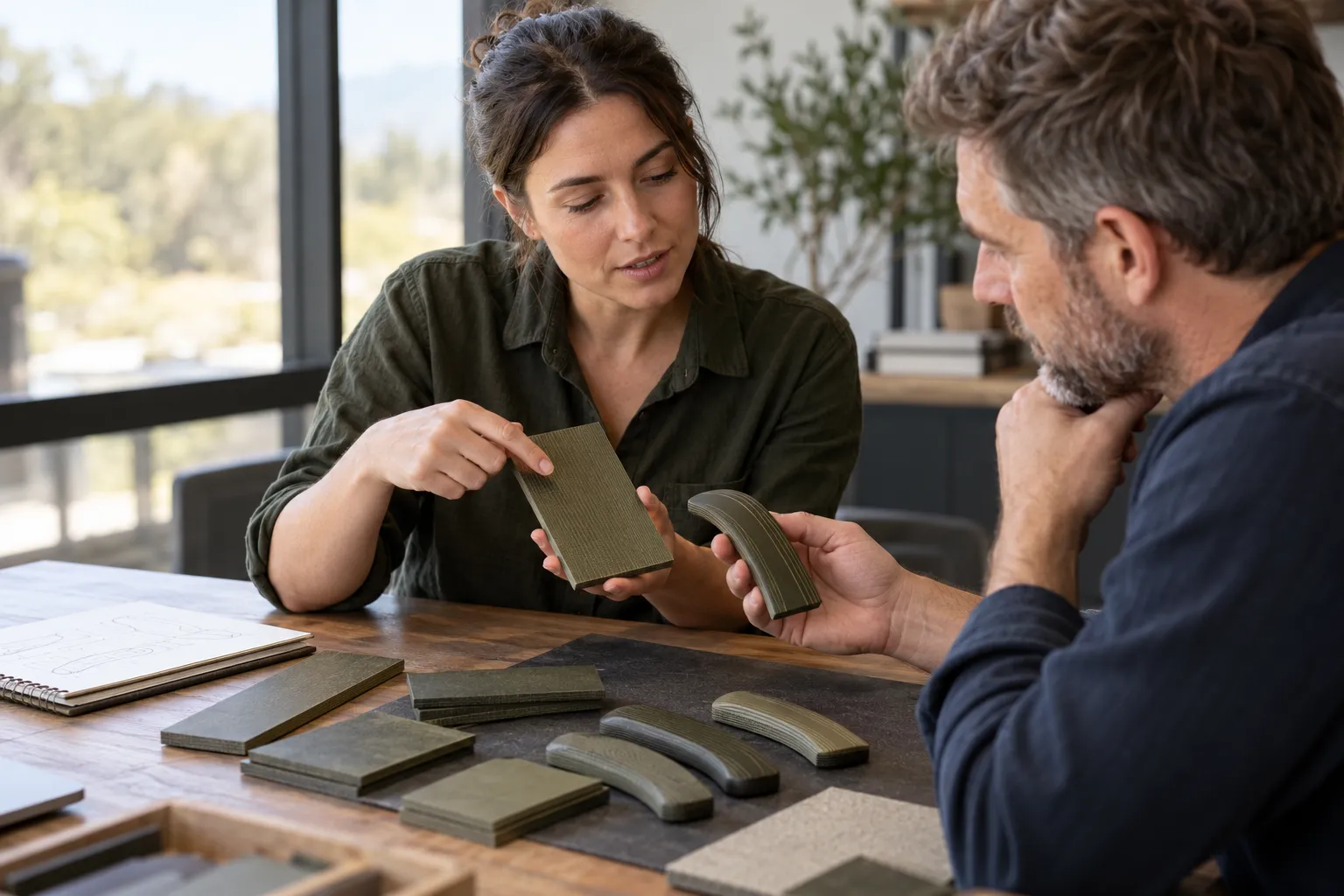
A safer launch separates validation from scale. Begin with material samples and a small number of machined handles. Photograph the finished knife under normal light, test the grip and machining process, and gather feedback from dealers or existing buyers. Only then convert the most promising option into a production order.
- Stage 1: approve color, pattern, thickness and finish on a physical sample.
- Stage 2: run a limited batch for machining and market testing.
- Stage 3: reorder the proven specification with a documented reference sample.
Think in Material Yield, Not Only Price per Kilogram
The cheapest sheet is not automatically the lowest-cost handle. Brands should calculate how many usable scales fit on each sheet, how much is lost to kerf and edge trimming, and whether defects or pattern direction reduce nesting efficiency. CNC-ready blanks can cost more per kilogram but may reduce inspection, cutting and scrap.
For patterned G10 or carbon fiber, visual orientation also affects yield. A random layout may use more of the sheet, while matched left and right scales require adjacent cutting and can lower output. This trade-off should be priced into premium models rather than treated as an unexpected factory loss.
Create a Reorder Standard
A color name such as “forest green” is too subjective for repeat purchasing. Keep an approved physical sample, production lot number, daylight photographs, finished-handle photographs and a short description of acceptable variation. Record thickness tolerance, surface condition and which side is the visual face.
Commercial Questions to Ask a Supplier
- What is the MOQ for an existing color versus a custom color?
- Can multiple colors share one production or shipment?
- How long will the approved sample or master color remain valid?
- Can the supplier reserve material from one lot for repeat knife models?
- Are full sheets, cut scales and CNC parts available from the same lot?
Cultural Note for Western Buyers
American EDC customers often respond to limited drops, named colorways and community voting, while many European outdoor buyers place more emphasis on practical grip, understated colors and repairable construction. These are tendencies, not rules. Test product language with the actual dealer network instead of assuming one global taste.
Frequently Asked Questions
Should every new color start with a custom production run?
No. Existing stock colors are usually the lowest-risk way to test demand. Custom pigment development makes more sense after a brand has proven sales volume or needs a protected visual identity.
Is a lower MOQ always better?
Not necessarily. A very small run may carry higher unit cost and greater future color variation. The right MOQ balances cash flow, launch risk and the ability to reorder consistently.
Conclusion
Successful handle launches are managed as inventory projects, not just design choices. A staged sample-to-production process, yield calculation and documented reorder standard let knife brands add variety without turning every new color into a warehouse problem. YD Composites can support evaluation with sheets, paired scales, cut blanks and CNC parts based on the required material and production stage.